Category: Blog

Kaşkaloğlu Izmir Eye Hospital

**What is Contoura Vision LASIK?**

**What is Contoura LASIK?** Contoura LASIK, officially known as Contoura® Vision Topography-Guided LASIK, is an advanced type of LASIK surgery that incorporates detailed corneal mapping to enhance the precision of the procedure. This technology was introduced to the field of laser vision correction to address not only refractive errors (the need for glasses or contact lenses) but also corneal irregularities that can affect vision quality. **Key Features of Contoura LASIK** • **Detailed Corneal Mapping**: Contoura LASIK uses the WaveLight Topolyzer Vario Diagnostic Device (VARIO) to capture up to 22,000 data points on the cornea, creating a highly detailed map of its surface. This map reveals the cornea’s unique peaks and valleys, much like a fingerprint. • **Personalized Vision Correction**: The detailed corneal map enables a more personalized laser procedure. By addressing the specific irregularities of each patient’s cornea, Contoura LASIK aims to provide greater precision in vision correction compared to traditional LASIK. **How Does Contoura LASIK Work?** Contoura LASIK operates on a sophisticated mechanism that uses detailed corneal mapping to customize treatment based on the unique characteristics of each patient’s eyes. Here’s an overview of how Contoura LASIK works: • **Detailed Corneal Mapping**: The foundation of Contoura LASIK is its ability to create a highly detailed map of the cornea using the WaveLight Topolyzer Vario Diagnostic Device (VARIO). This device captures up to 22,000 data points on the cornea, revealing its unique topography—its peaks and valleys, like a fingerprint. This detailed mapping enables unprecedented precision in vision correction. • **Personalized Vision Correction**: Using the detailed corneal map, Contoura LASIK customizes laser correction for each eye. Traditional LASIK procedures correct vision based on a glasses or contact lens prescription, which does not account for individual corneal irregularities. However, Contoura LASIK uses data from the corneal map to guide the WaveLight EX500 laser in reshaping the cornea. This process not only corrects refractive errors (myopia, hyperopia, and astigmatism) but also addresses microscopic imperfections on the corneal surface. **Enhanced Visual Outcomes** By addressing both refractive errors and corneal irregularities, Contoura LASIK has the potential to provide superior visual outcomes compared to traditional LASIK. Patients may achieve sharper vision than what is possible with glasses or contact lenses. The procedure aims to enhance vision quality by correcting how light focuses on the retina.

Read More »

What is a Trifocal Lens? (Three-Focal Lenses) (Smart lens

  What is a Trifocal Lens? (Three-Focal Lenses) Trifocal lenses, also known as smart lenses, provide clear vision at near, intermediate, and far distances. They allow you to perform various activities without glasses, such as reading books, using a computer, driving a car, and seeing your phone screen. Common Trifocal Lenses: Alcon Panoptix Zeiss Acrilisa Tri Johnson & Johnson Synergy Finevision Rayner Galaxy How is Trifocal Lens Smart Lens Surgery Performed? Smart lens surgery is a quick and painless procedure performed under local anesthesia. This procedure, which takes an average of 8-10 minutes, involves placing an artificial lens into the eye through a small incision. The surgery is completely stitch-free. Post-Surgery: Recovery is fast, and you can usually be discharged on the same day. Two-Eye Surgery: The time between surgeries for both eyes should be kept short for better adaptation. In some cases, both eyes can be operated on the same day. In the First Days: You may see halos and glare around lights. This condition will decrease over time with the neuroadaptation process. Advantages and Disadvantages of Trifocal Smart Lenses Advantages: Provides clear vision without glasses at near, intermediate, and far distances. Corrects vision defects along with cataract treatment. Offers the comfort of a glasses-free life in daily activities with trifocal lenses. Disadvantages: May not be suitable for every eye structure. Halos around lights may initially be bothersome for people who drive actively at night. Your doctor will decide which lens is suitable for you based on your eye structure and lifestyle. Therefore, following your doctor’s advice will ensure the best results. Who is Suitable for Trifocal Smart Lenses? People over 40 who do not want to use glasses Those with both near and far vision defects Patients requiring cataract treatment Those not suitable for laser surgery Patients whose eye prescription does not change frequently and have good eye health Each patient’s situation is different. After a detailed examination, your doctor will determine the most suitable treatment method for you. Durability and Lifespan of Trifocal Smart Lenses Smart lenses do not have a lifespan, meaning once placed, they do not require replacement or renewal. After surgery, your eye prescription stabilizes and does not change again. These lenses also prevent the formation of cataracts, as the natural eye lens is completely replaced with an artificial lens. Smart Lens Surgery at Kaşkaloğlu Eye Hospital Kaşkaloğlu Eye Hospital has been a leading center in eye health and surgical treatments since 1992. Prof. Dr. Mahmut Kaşkaloğlu and his expert team offer personalized solutions to their patients using new technology and treatment methods. A personalized treatment plan is prepared for each patient to achieve safe and effective results. Surgeries are performed with high success rates using modern devices and advanced technology. Contact Us for Appointment and Detailed Information For more information about smart lens surgery and to schedule an examination appointment, you can call us or contact us through our website.  

Read More »

The Best Eye Hospital and Eye Doctor in Izmir: Kaşkaloğlu Eye Hospital and Prof. Dr. Mahmut Kaşkaloğlu

The Best Eye Hospital and Eye Doctor in Izmir: Kaşkaloğlu Eye Hospital and Prof. Dr. Mahmut Kaşkaloğlu Eye health is vital to our quality of life. For patients searching for the “best eye hospital” or the “best eye doctor” in Turkey—especially in Izmir—Kaşkaloğlu Eye Hospital and its founder Prof. Dr. Mahmut Kaşkaloğlu stand out as a trusted and pioneering choice. Why Choose Kaşkaloğlu Eye Hospital? Kaşkaloğlu Eye Hospital is renowned in Izmir for its outstanding services in eye care. Here are the main reasons to choose us: Expert Medical Team: Led by Prof. Dr. Mahmut Kaşkaloğlu, our experienced and specialized ophthalmologists offer every patient a personalized and accurate treatment plan with utmost care. State-of-the-Art Technology: The hospital is equipped with the latest technology for the diagnosis and treatment of all types of eye diseases. Patients benefit from the most advanced techniques available. Comprehensive Services: From cataract surgery and laser eye procedures (LASIK, PRK, ReLEx SMILE) to glaucoma, retinal diseases, keratoconus, and strabismus—diagnosis and treatment are performed with high success rates. Patient-Centered Approach: Patient satisfaction is always a priority at Kaşkaloğlu Eye Hospital. Friendly staff, a comfortable environment, and transparent communication help patients feel safe and cared for. International Recognition: Serving patients from both Turkey and abroad, Kaşkaloğlu Eye Hospital has earned a strong reputation internationally for successful treatments and medical excellence. Prof. Dr. Mahmut Kaşkaloğlu: A Trusted Name in Eye Health Prof. Dr. Mahmut Kaşkaloğlu is one of Turkey’s leading ophthalmologists. With decades of experience, extensive medical knowledge, and a long record of successful surgeries, he is especially known for his expertise in laser eye surgery, cataracts, and glaucoma. His ethical approach and strong patient relationships make him a top choice for many. Your Treatment Journey at Kaşkaloğlu Eye Hospital Upon visiting our hospital, you will undergo a comprehensive eye examination. Your doctor will then prepare a customized treatment plan tailored to your condition. Throughout your treatment and recovery, our medical team will support you every step of the way. Our goal is to restore your vision and improve your quality of life. The Right Address for Eye Care in Izmir If you are looking for the best eye doctor or the best eye hospital in Izmir, Kaşkaloğlu Eye Hospital and Prof. Dr. Mahmut Kaşkaloğlu are ready to offer you expert care with modern equipment and a patient-focused approach. Don’t hesitate to contact us—your vision is in safe hands.

Read More »

Here are the certifications and accreditations of Kaşkaloğlu Eye Hospital :

Here are the certifications and accreditations of Kaşkaloğlu Eye Hospital in English: 🏥 Official Authorizations Licensed by the Turkish Ministry of HealthKaşkaloğlu Eye Hospital is fully authorized and regularly audited by the Turkish Ministry of Health. TÜV Rheinland Certification (Germany)The hospital has received quality certification from TÜV Rheinland, an internationally recognized German auditing organization, confirming compliance with high healthcare standards. ✅ International ISO Certifications ISO 9001 (TÜV-CERT) – Quality Management SystemCertified since 2004, ensuring consistent, high-quality healthcare services. ISO/IEC 27001:2013 – Information Security ManagementEnsures secure handling and protection of patient and hospital data. ISO 20000-1:2018 – IT Service ManagementDemonstrates reliable and efficient management of digital healthcare systems and services. ISO 22301:2019 – Business Continuity ManagementEnsures critical healthcare services continue without interruption under all circumstances. 📊 Summary Table Certification / Accreditation Description Turkish Ministry of Health Official license and regulation TÜV Rheinland (Germany) International quality certification ISO 9001 (TÜV-CERT) Quality management in healthcare ISO/IEC 27001 Information security standards ISO 20000-1 IT service management compliance ISO 22301 Business continuity planning These certifications reflect Kaşkaloğlu Eye Hospital’s commitment to international standards in medical quality, data protection, and operational reliability.

Read More »

Treating Dysphotopsia After Laser Peripheral Iridotomy: Keratopigmentation-Corneal tattoo

Treating Dysphotopsia After Laser Peripheral Iridotomy What is Laser Peripheral Iridotomy (LPI)?Laser peripheral iridotomy is a simple, office-based procedure used to prevent a serious eye condition called angle-closure glaucoma. This condition usually occurs in people over the age of 40, especially those who are farsighted (hyperopic). It happens when the drainage angle of the eye becomes blocked, causing a sudden increase in eye pressure, leading to severe pain, blurred vision, and even permanent vision loss if not treated quickly. How does the procedure work?In LPI, a laser is used to create a tiny hole in the iris (the colored part of the eye). This hole helps balance the pressure between the front and back parts of the eye, reducing the risk of angle-closure glaucoma. What is Dysphotopsia? After LPI, some patients experience dysphotopsia, a visual disturbance where they see light streaks, glare, or shadows, especially in bright light or at night. While this side effect is not harmful, it can be annoying and may affect quality of life. In most cases, these visual symptoms fade over time as the brain adjusts and patients no longer notice them. However, for a small number of people, dysphotopsia can persist. Treatment for Persistent Dysphotopsia When dysphotopsia does not go away on its own, one option is a procedure called partial keratopigmentation, also known as corneal tattooing. In this treatment, a special pigment is applied to the outer layer of the cornea to block the stray light that causes visual disturbances. At Kaşkaloğlu Eye Hospital, we have successfully performed this technique for patients who suffer from persistent dysphotopsia after LPI. The procedure is: Safe and low-risk Minimally invasive Performed in the clinic Effective in many cases While not every patient experiences complete relief, most report significant improvement in their symptoms and quality of life. Conclusion If you are experiencing visual disturbances after laser peripheral iridotomy, you are not alone—and there are solutions. Contact our clinic to schedule an evaluation and learn whether corneal tattooing for dysphotopsia could be right for you.

Read More »

Permanent Eye Color Change – Why Choose EyeTravelTurkey? Why we are the best?

Permanent Eye Color Change – Why Choose EyeTravelTurkey? Why we are the best? EyeTravelTurkey, operated by Kaşkaloğlu Eye Hospital in İzmir, is a trusted and internationally recognized center for advanced eye surgeries. Since 2000, we have been at the forefront of eye color change procedures, combining cutting-edge technology with a team of experienced surgeons led by Prof. Dr. Mahmut Kaşkaloğlu. 🔍 What Is Keratopigmentation?Keratopigmentation is a medical procedure that uses microscopic pigments implanted into the cornea to change eye color:• Cosmetic purposes: For those who wish to permanently change their natural eye color.• Therapeutic uses: To treat corneal scars, iris defects, or light sensitivity. ⚙️ FLAAK Pro: The Modern StandardWe use FLAAK Pro (Femtosecond Laser-Assisted Annular Keratopigmentation), the most advanced and safest method available:• Laser time: only 11 seconds; total procedure time: approximately 30 minutes.• Painless with a fast recovery.• Natural and long-lasting results. 👍 Why We Are the Best• State-of-the-art technology: including Zeiss VisuMax 800, Pentacam, I-Trace, and femtosecond lasers.• Highly experienced surgeons: with 17 to 42 years of surgical excellence.• International standards: ISO-certified, Ministry of Health licensed.• Comprehensive medical tourism packages upon request: consultation, surgery, hotel, transportation, and follow-up.• We are among the leading centers for eye color change worldwide. Prof. Kaşkaloğlu has over 10 years of experience in keratopigmentation. 📝 How the Process Works Free online consultation with a medical specialist. Color selection based on your preferences and eye anatomy. Procedure day: safe, quick, and performed under local anesthesia. Aftercare: eye drops and regular check-ups. ✅ Who Is Eligible?• Healthy adults with no major eye diseases.• Individuals who have not had major eye surgeries.• Patients seeking either cosmetic or therapeutic solutions. ⚠️ Important to Know• This is a permanent procedure.• Rare risks include infection, pigment fading, or corneal reaction.• We always obtain your approval before proceeding—pigment is applied to one eye first for confirmation. 🌍 Trusted by Patients WorldwideAt EyeTravelTurkey, we combine medical excellence with personalized care to offer the safest, most advanced, and most aesthetic eye color change experience available today. The mission of Kaşkaloğlu Eye Hospital is to provide the highest standard of medical care with the best ophthalmologists in the field. Contact us today for a personalized quote and consultation!📞 WhatsApp: +90 532 596 16 01📧 Email: info@kaskaloglu.com Son Güncelleme 18 November 2025 Saat 09:41 am

Read More »

FLAAK vs. Laser Iris Depigmentation: The Safe and Modern Method for Eye Color Change

FLAAK vs. Laser Iris Depigmentation: The Safe and Modern Method for Eye Color Change If you are researching different techniques for eye color change, you may have come across laser iris depigmentation. This older method uses a laser to remove melanin pigment from the iris in an attempt to lighten the natural eye color. While it may seem promising, laser depigmentation has several important limitations: Unpredictable results: The final eye color depends on how much pigment is removed and what lies underneath, which varies between individuals. As a result, patients cannot choose or predict the final color, and outcomes may look uneven or unnatural. Multiple sessions required: Laser depigmentation typically requires several treatment sessions to produce visible results. Health and safety concerns: There is a risk of inflammation, photophobia (light sensitivity), and potential long-term iris damage. By contrast, we offer keratopigmentation by the FLAAK method, the most advanced and reliable medical technique for cosmetic eye color change available today. Patients can select their desired eye color from a medically approved pigment palette. We also provide before-and-after photos and visual simulations for guidance. The procedure is typically completed in a single session, with minimal discomfort and fast recovery. Results are stable, long-lasting, and natural-looking, with a strong safety profile. This innovative technique has popularized medical eye color change worldwide and is, in our professional opinion, the only safe and predictable option currently available. For more information or to schedule a consultation, please contact us directly. Derya – Patient Coordinator 📱 WhatsApp: +90 532 596 1601 Son Güncelleme 18 November 2025 Saat 09:41 am

Read More »

Is Laser Eye Surgery (LASIK, PRK, No-Touch, SMILE PRO) Permanent?

Is Laser Eye Surgery (LASIK, PRK, No-Touch, SMILE PRO) Permanent? Laser eye surgeries are a safe and effective method for correcting myopia, hyperopia, and astigmatism. Thanks to modern laser technologies such as LASIK, PRK, No-Touch, and SMILE PRO, patients can achieve clear vision without the need for glasses or contact lenses. However, one of the most frequently asked questions is: Are the results of laser eye surgery permanent? The Permanence of Laser Eye Surgery Laser eye surgeries correct vision by reshaping the cornea. If the right patient is selected and the procedure is performed by an experienced doctor, the results are usually permanent. However, some conditions may cause changes in vision over time: Patient’s Age: Since the eye prescription is not yet stable in individuals under 18, laser surgery is not recommended. It is safer when performed after the early 20s, once the prescription has stabilized. Stable Prescription: The most successful and long-lasting results occur in patients whose prescription has remained unchanged for at least 1-2 years. Age-Related Presbyopia: After the age of 40, the eye’s natural lens loses flexibility, affecting near vision. While this does not alter the effectiveness of laser surgery, reading glasses may be needed. Types of Laser Eye Surgery and Their Permanence LASIK: The most common laser technique with a fast recovery process. The results are typically lifelong. PRK: Ideal for patients with thinner corneas. It provides permanent results but has a longer healing period than LASIK. No-Touch Laser: A no-contact procedure, making it ideal for patients with sensitive corneas. It offers long-term stability. SMILE PRO: One of the latest laser technologies, minimally affecting the cornea while ensuring lasting and permanent results. The Importance of Doctor Experience The doctor’s experience is a crucial factor in the success of laser eye surgery. Proper patient selection and choosing the right laser technique directly impact the outcome. Detailed examinations using advanced diagnostic devices are essential for accurate assessment. An experienced surgeon evaluates the risk of prescription progression and ensures the best long-term results. Will You Need Glasses Again After Laser Eye Surgery? Most patients achieve clear vision without glasses after a successful laser procedure. However, in some cases: Age-related changes may lead to the need for reading glasses after 40-45 years. Rarely, a slight prescription regression may occur, which can be corrected with an enhancement procedure if necessary. Is Laser Eye Surgery Permanent? Conclusion Laser eye surgeries provide largely permanent results when performed on suitable patients with stable prescriptions and by an experienced doctor. Thanks to innovative laser technologies, you can safely protect your eye health and enjoy clear vision for many years. At Kaşkaloğlu Eye Hospital, our expert ophthalmologists are ready to guide you. 👉 Book an appointment today and step into a life without glasses!

Read More »

Who is the Best Eye Doctor in Izmir and Turkey?

Who is the Best Eye Doctor in Izmir and Turkey? Eye health is one of the most crucial aspects that directly affect quality of life. Consulting an expert doctor for the diagnosis and treatment of eye diseases is critical for achieving the best results. So, if you are searching for the “best eye doctor in Izmir” or the “best eye doctor in Turkey,” what should you consider? Here are the details! What to Consider When Choosing the Best Eye Doctor? When selecting an eye doctor, you should take the following criteria into account: Experience and Expertise: Doctors who have been working in the field for many years and have successfully performed numerous surgeries should be preferred. Patient Reviews and References: The experiences of previous patients provide important insights into a doctor’s success. Technology Used: Modern eye disease treatments should be supported by advanced equipment and laser technologies. Hospital Facilities: The technological infrastructure, hygiene, and patient comfort of the eye care center are important factors. Kaşkaloğlu Eye Hospital Doctors in Izmir One of the most reliable addresses for diagnosing and treating eye diseases in Izmir is Kaşkaloğlu Eye Hospital. Serving Izmir since 2000, our hospital provides treatment for eye diseases using modern techniques with a team of expert doctors. Eye Diseases Treated at Kaşkaloğlu Eye Hospital Cataract and Premium Lens Applications Laser Eye Surgeries (femtoLASIK, PRK, SMILE pro) FLAAK pro,Keratopigmentation (Eye Color Change) Retinal Disease Treatments Macular Degeneration (AMD – Age-Related Macular Degeneration) Telescopic intraocular lenses Glaucoma (Eye Pressure) Treatment Strabismus and Pediatric Eye Diseases Doctors at Kaşkaloğlu Eye Hospital At Kaşkaloğlu Eye Hospital, Prof. Dr. Mahmut Kaşkaloğlu and our experienced team of eye doctors provide personalized treatment plans to offer the best possible care. You can book an appointment to entrust your eye health to reliable hands. We Maintain Our Place Among the Best Eye Doctors in Turkey Kaşkaloğlu Eye Hospital is not only one of the top eye hospitals in Izmir but also aims to be among the best eye doctors in Turkey. We have served thousands of patients from Turkey and abroad, providing advanced surgical treatments within the scope of medical tourism. Patients from Europe and the Middle East benefit from state-of-the-art technology in their eye surgeries. Why Choose Kaşkaloğlu Eye Hospital? ✅ 40+ years of experience✅ Advanced technology and innovative treatments✅ International patient services✅ High patient satisfaction rate

Read More »

RayOne Galaxy: A New Era in Intraocular Lenses

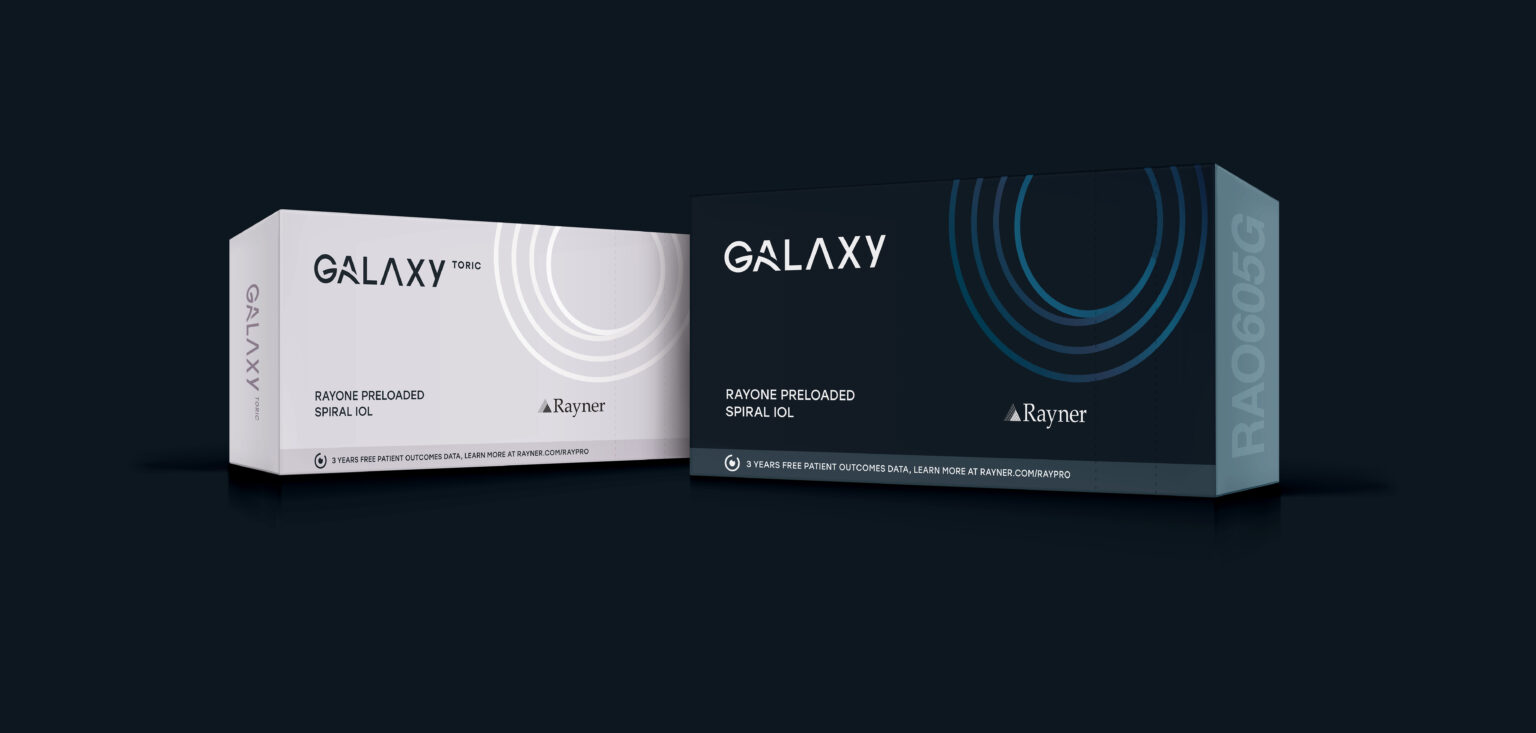
RayOne Galaxy: A New Era in Intraocular Lenses   As an ophthalmologist who has followed the evolution of intraocular lenses for decades, I have seen firsthand how innovation in optics can transform patients’ lives. The recently introduced RayOne Galaxy by Rayner has already attracted significant attention, and for good reason. This new lens aims to provide patients with seamless vision across all distances while minimizing the visual disturbances that often come with multifocal IOLs.   What Makes RayOne Galaxy Different?   One of the biggest challenges with presbyopia-correcting IOLs has always been balancing near, intermediate, and distance vision while reducing halos and glare. The RayOne Galaxy uses a non-diffractive spiral optic design, which is different from traditional multifocal or extended depth of focus (EDOF) lenses. Instead of splitting light into distinct focal points, the spiral pattern is designed to create a smooth transition of vision from near to far.   Rayner claims this optic design was developed using artificial intelligence, analyzing patient outcomes to optimize visual quality. While AI-driven lens design is still a relatively new concept, it’s exciting to see how technology is shaping the next generation of IOLs.   Clinical Results and First Impressions   Before the official release, the RayOne Galaxy was tested by experienced surgeons in different countries. Early results suggest that it provides: A continuous range of vision with good clarity at all distances Fewer halos and glare compared to diffractive trifocal lenses No loss of transmitted light, which can sometimes be an issue with multifocal optics   Several colleagues who have started implanting this lens have shared positive feedback, particularly on reduced night vision disturbances. Of course, we always need long-term data to fully assess how an IOL performs in real-world conditions, but the initial outcomes are promising.   Material and Surgical Considerations   Like other Rayner lenses, the RayOne Galaxy is made from Rayacryl, a hydrophilic acrylic material known for its biocompatibility. The lens is also preloaded in a single-use injector, making implantation straightforward. From a surgeon’s perspective, ease of handling and delivery play a crucial role in achieving predictable outcomes, and it seems Rayner has maintained its usual standards in this regard.   Is This the Right Lens for Every Patient?   While the RayOne Galaxy appears to offer excellent optical quality, no single IOL is perfect for every patient. It will be particularly interesting to see how it compares with other premium lenses in: Reading performance at very close distances Real-life adaptation to different lighting conditions Patient satisfaction in highly demanding visual tasks   For those considering a lens replacement procedure, whether for cataracts or refractive lens exchange, a thorough preoperative evaluation is crucial. Each patient’s lifestyle, expectations, and ocular health should guide the choice of IOL.   Final Thoughts   The introduction of new IOL designs is always exciting, especially when they promise to improve both vision quality and patient satisfaction. While I have yet to implant the RayOne Galaxy myself, I will be following its real-world performance closely. If it lives up to its early clinical results, it could become an important option in my practice for patients seeking a full range of vision with minimal trade-offs.   If you have questions about premium intraocular lenses or want to discuss whether this technology is suitable for you, feel free to contact our clinic. Personalized recommendations are always the key to the best outcomes.  

Read More »