
Category: Blog

Kaşkaloğlu Izmir Eye Hospital

Permanent Eye Color Change: How It Works and Why People Choose It

Permanent Eye Color Change: How It Works and Why People Choose It Permanent eye color change is now possible thanks to modern laser technology and medical innovation. At Kaskaloglu Eye Hospital in Izmir, Turkey, we perform this procedure using the FLAAK (Femtosecond Laser Assisted Annular Keratopigmentation) technique — one of the safest and most natural-looking methods available worldwide. What Is Eye Color Change? This procedure involves placing micron-level medical pigments into the cornea — the clear, outer layer of the eye — using advanced femtosecond laser technology. The pigment replicates the natural iris pattern, creating a realistic and long-lasting new eye color. Why Do People Choose It? Aesthetic preference – To achieve a lighter, darker, or different eye color. Color correction – To fix heterochromia (two eyes of different colors). Post-trauma or surgery – To restore eye appearance after injury or surgery. Cosmetic enhancement – To cover spots, defects, or irregularities on the iris. Advantages of the FLAAK Method Safe – The pigment is placed in the cornea only; there is no surgery inside the eye. Natural-looking – At social distance, the color appears as a natural iris. Permanent – Unlike colored contact lenses or dyes, the result lasts a lifetime. Quick recovery – Most patients return to daily activities within a few days. How Is the Procedure Done? Comprehensive eye examination – To confirm eye health and suitability. Laser channel creation – A femtosecond laser creates a circular channel in the cornea. Pigment application – The selected pigment is placed into this channel. Follow-up and healing – Post-procedure checks ensure proper healing. 💡 Note: Older methods that involve implanting artificial irises (e.g., BrightOcular, NewColorIris) carry serious risks and are no longer recommended. FLAAK is the safest and most advanced alternative. Where Do We Perform It? We carry out this procedure at Kaskaloglu Eye Hospital in Izmir, Turkey, with internationally experienced surgeons. For our international patients, we arrange schedules so the procedure can be completed in a single trip. Frequently Asked Questions (FAQ) Is permanent eye color change safe? Yes. FLAAK works only on the cornea without entering the inside of the eye, making it much safer than outdated iris implant techniques. How long is the recovery time? Most patients return to normal activities within 3–5 days. How do you choose the color? We select from a palette of natural iris tones, matching your skin tone and personal preference. Can the procedure be reversed? Yes and no.  The pigment can be partially adjusted, lightened, or removed if needed. Where can I have it done? At Kaskaloglu Eye Hospital in Izmir, Turkey. Where can I have more information= Check our spesific web page https://eyecolorchangeinturkey.com/  or contact Ms.Derya at GSM/WhatsApp: +90532 5961601 Meta Title: Permanent Eye Color Change – Natural & Safe with FLAAK Method | Kaskaloglu Eye Hospital Meta Description: Permanent eye color change with the FLAAK method in Izmir, Turkey. Safe, natural-looking, and lifelong results. Learn the procedure, benefits, and FAQs from Kaskaloglu Eye Hospital. Son Güncelleme 18 November 2025 Saat 09:41 am

Read More »

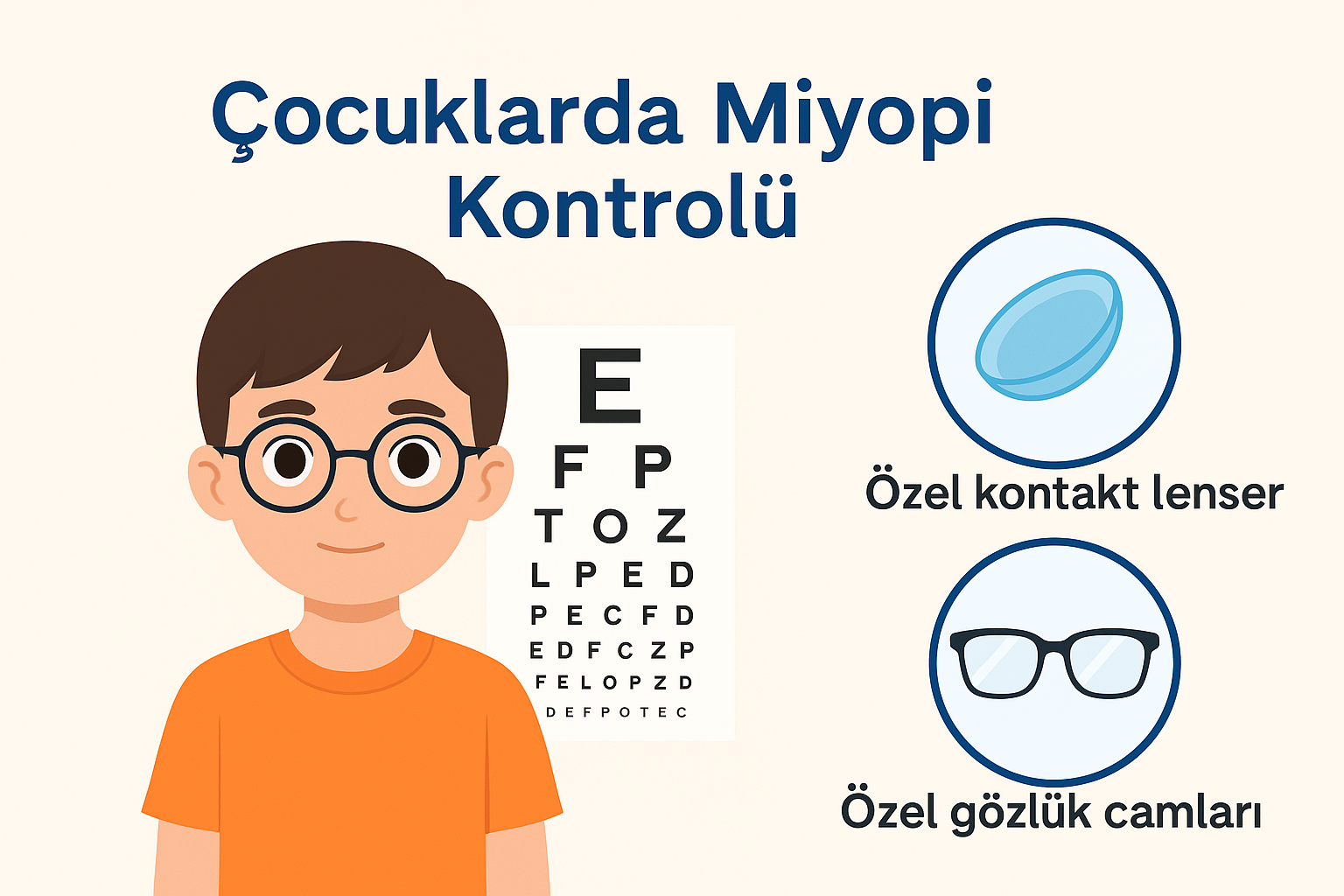
Myopia Control in Children: New Special Lenses and Glasses

Myopia Control in Children: New Special Lenses and Glasses Meta Description (SEO):Slowing down myopia in children is now possible! With new myopia control contact lenses and spectacle lenses, protect your child’s vision for the future. At Kaşkaloğlu Eye Hospital, we monitor with corneal topography and axial length measurement. Why Is Myopia Increasing in Children? Myopia (short-sightedness) is becoming increasingly common among children worldwide. Longer screen time, less outdoor activity, and genetics play a key role. If myopia starts at an early age, the risk of progression is much higher, leading to high myopia and serious eye problems later in life (such as retinal detachment, glaucoma, and cataract). New Technologies to Slow Down Myopia Today, we are not only correcting the prescription, but also controlling the progression of myopia. Two major innovations are now available: Myopia control contact lenses – specially designed to slow down eye growth. (Acuvue Abiliti 1-day lens) Myopia control spectacle lenses – innovative optical design that helps reduce the progression of myopia. MiYOSMART (Hoya) Description: These are eyeglass lenses with DIMS (Defocus Incorporated Multiple Segments) technology, focused on myopia control. Effectiveness: It slows down the progression of myopia by approximately 60%; this effectiveness lasts for 6 years. Definitive Scientific Support: In clinical studies, DIMS (MiyoSmart) lenses significantly reduced the progression of myopia and axial elongation compared to single vision (SVSL) lenses. ZEISS Myopia Management Lenses: ZEISS MyoCare and MyoCare S Description: Specially designed lenses to slow down the progression of myopia in children (12 years and under). Advantage: Provides clear and comfortable vision while contributing to long-term eye health. These solutions are widely used worldwide and now available in Turkey. Our Difference at Kaşkaloğlu Eye Hospital We go beyond routine prescription checks. We scientifically track myopia with advanced technology: Corneal topography: creates a map of the cornea to track changes. Axial length measurement: measures the front-to-back length of the eye, the key indicator of myopia progression. This way, parents can clearly see the progression of their child’s myopia with measurable data. Recommendations for Parents Ensure yearly eye examinations. Encourage outdoor time. Limit close-up activities (reading, screens) for long hours. Ask your doctor about myopia control lenses and glasses. FAQ Can myopia be cured?No, myopia can’t be reversed, but its progression can be slowed down. Are myopia control lenses safe?Yes, they are designed for children and internationally approved. Why is monitoring important?Because prescription alone doesn’t tell the whole story. Axial length monitoring helps prevent high myopia in the future. Conclusion Controlling myopia progression in children is essential for long-term eye health. At Kaşkaloğlu Eye Hospital, we offer comprehensive care with myopia control lenses, glasses, corneal topography, and axial length measurement. 📞 Contact us for more information or to book an appointment. Son Güncelleme 2 September 2025 Saat 12:47 pm

Read More »

Which pigment do you use for eye color change (keratopigmentation)?

Q: Which pigment do you use for eye color change (keratopigmentation)?At Kaşkaloğlu Eye Hospital, we use Biotic.fr pigments – the leading French company producing CE-certified pigments specifically for keratopigmentation. These pigments are medically approved, safe, and designed to give a natural, long-lasting eye color change. We do not use cosmetic tattoo inks or uncertified pigments. Biotic is the global leader in this field. (There is another French pigment company, but we only trust Biotic for patient safety and reliable results.) In short:✅ CE-certified medical pigments✅ Specially designed for keratopigmentation✅ Safe, reliable, natural-looking results SEO Meta (for FAQ snippet) Title: Which Pigments Are Used for Eye Color Change? Meta Description: We use Biotic.fr CE-certified pigments for keratopigmentation. Safe, natural, long-lasting eye color change at Kaşkaloğlu Eye Hospital. Son Güncelleme 18 November 2025 Saat 09:41 am

Read More »

“Which pigment do you use for eye color change?”Eye Color Change with the FLAAK Method

Eye Color Change with the FLAAK Method At Kaşkaloğlu Eye Hospital, we perform permanent and natural eye color change with the FLAAK method (Femtosecond Laser Assisted Annular Keratopigmentation). This modern technique uses advanced laser technology to place safe medical pigments inside the cornea, changing the eye’s appearance without affecting its health or vision. Patients often ask us: “Which pigment do you use for eye color change?” Here is the answer. Biotic: The World Leader in Keratopigmentation Pigments We exclusively use pigments from Biotic.fr, the leading French company in this field. CE Mark Certified: Biotic pigments are certified according to European Union medical standards (CE Mark). Specially Designed for Eye Procedures: These pigments are not generic tattoo inks. They are developed specifically for keratopigmentation, ensuring biocompatibility and long-term safety. Reliable & Experienced: Biotic is internationally recognized as the top producer of pigments for corneal applications and collaborates with many hospitals and eye surgeons around the world. Natural Results: Thanks to the high quality of the pigments, results are smooth, natural, and stable over time. This is why we trust Biotic pigments for all our keratopigmentation surgeries. Why Pigment Choice Matters The pigment used in keratopigmentation is critical for: Patient Safety – Biocompatible, sterile, medically approved materials prevent complications. Aesthetic Results – The pigment must look natural, not artificial. Long-Term Stability – The color should remain stable without fading or spreading. By choosing Biotic pigments, we ensure that our patients receive the highest safety and quality standards. Other Pigment Companies For SEO completeness, it is worth mentioning that there is another French company producing pigments for keratopigmentation. However, at Kaşkaloğlu Eye Hospital, we only use Biotic pigments because of their proven reliability, CE certification, and superior track record. Conclusion When it comes to permanent eye color change, the pigment brand matters as much as the surgical technique. At Kaşkaloğlu Eye Hospital, we proudly use Biotic.fr pigments – the world’s top and most reliable pigments designed exclusively for keratopigmentation. This ensures that our patients enjoy safe procedures and natural, long-lasting results. SEO Meta Description “Which pigments are used for eye color change (keratopigmentation)? At Kaşkaloğlu Eye Hospital we use Biotic.fr CE-certified pigments, the world leader in keratopigmentation pigments. Learn more here.” Suggested Keywords eye color change pigments keratopigmentation pigment Biotic.fr pigments safe pigments for eye color change French pigment companies keratopigmentation   Son Güncelleme 18 November 2025 Saat 09:41 am

Read More »

Stem Cell Therapy in Eye Diseases: A Promising Treatment for the Future

Stem Cell Therapy in Eye Diseases: A Promising Treatment for the Future What is Stem Cell Therapy? Stem cells are unique cells with the ability to transform into different cell types and regenerate damaged tissues. In recent years, they have become a focus of research in ophthalmology. Which Eye Diseases Can Be Treated? Corneal injuries and diseases Dry eye and ocular surface disorders Retinal diseases: Macular degeneration, diabetic retinopathy Congenital eye diseases How is it Applied? Corneal stem cells can be cultured in the laboratory and transplanted to the eye. For retinal diseases, stem cell therapies are still mostly in the research stage. Clinical trials have shown encouraging results. Advantages Helps regenerate damaged eye tissues. Provides hope even for advanced stages of disease. Offers new options for patients who do not respond to conventional therapies. Future Perspective At Kaskaloglu Eye Hospital, we are preparing to initiate studies on stem cell therapy. Our goal is to make these innovative treatments available to our patients in line with international standards and scientific ethics. Meta Description (SEO):“Stem cell therapy for eye diseases is a promising innovation. Learn how it may help in corneal and retinal diseases. Kaskaloglu Eye Hospital is preparing new treatments for the future.”

Read More »

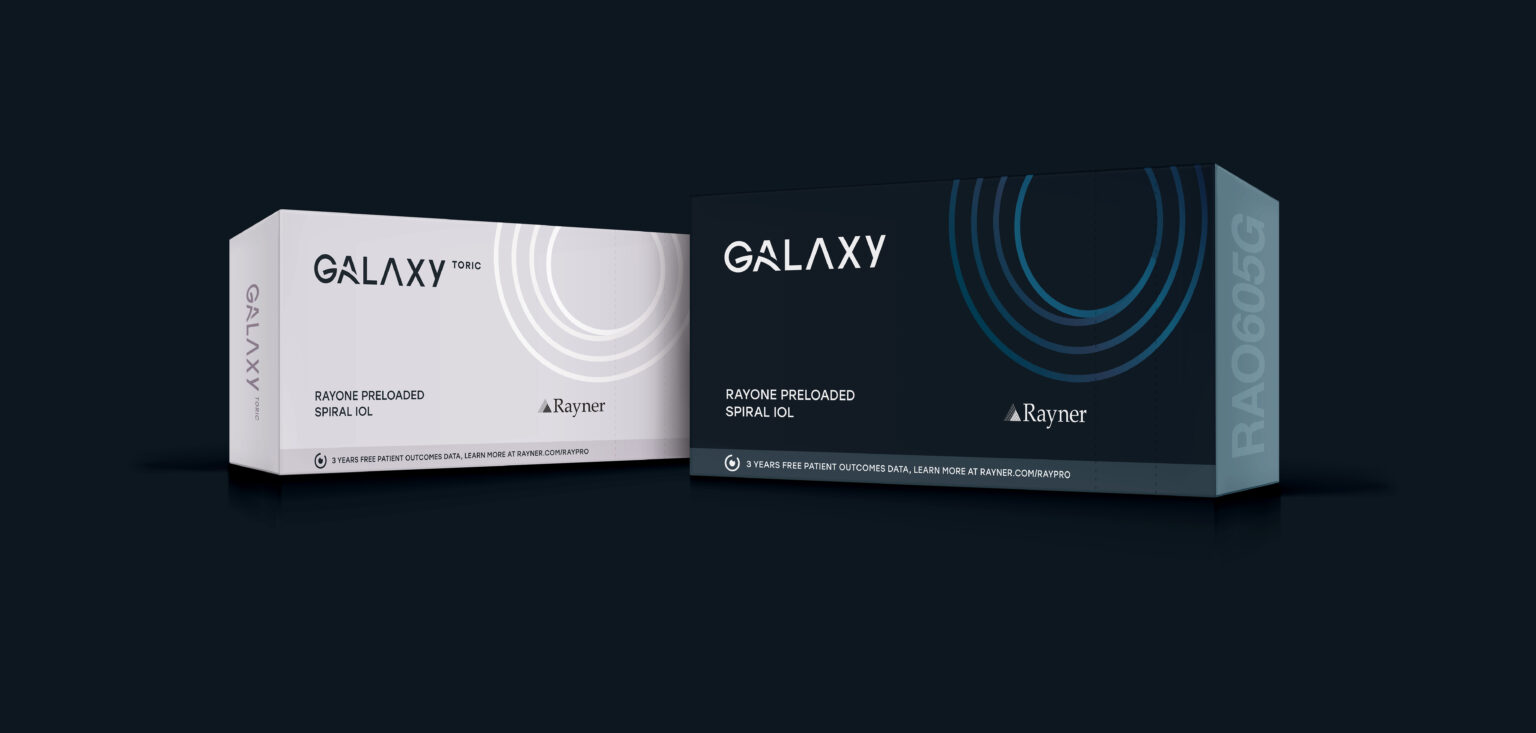
Where Can I Have Rayner RayOne Galaxy Spiral Trifocal Lens Surgery?

Where Can I Have Rayner RayOne Galaxy Spiral Trifocal Lens Surgery? Meta Title (SEO):Rayner RayOne Galaxy Spiral Trifocal Lens Surgery in Turkey – Kaşkaloğlu Eye Hospital Meta Description (SEO):Looking for Rayner RayOne Galaxy Spiral Trifocal lens surgery? At Kaşkaloğlu Eye Hospital in İzmir, Turkey, we offer the latest spiral IOL technology for presbyopia correction with expert surgeons and advanced equipment. Introduction The Rayner RayOne Galaxy Spiral Trifocal Lens is one of the most talked-about innovations in modern ophthalmology. Patients all over the world are asking: “Where can I have RayOne Galaxy lens surgery?” At Kaşkaloğlu Eye Hospital in İzmir, Turkey, we are among the first centers to provide this groundbreaking technology. Why Choose the RayOne Galaxy Spiral Lens? Full range of vision – distance, intermediate, and near AI-designed spiral optic with 0% light loss Minimal halos and glare compared to traditional trifocal lenses High patient satisfaction with natural vision quality Where Is RayOne Galaxy Surgery Available? Currently, the RayOne Galaxy Spiral Trifocal IOL is available in selected premium eye centers across Europe, Asia, and Turkey. In the United States, the lens is still under FDA clinical trials and not yet commercially available. At Kaşkaloğlu Eye Hospital (İzmir, Turkey), we are proud to offer this lens to both local and international patients. Thanks to our expertise in advanced refractive and cataract surgery, many patients travel to İzmir specifically for premium lens options such as RayOne Galaxy, PanOptix, and Tecnis Synergy. Why Have Surgery in İzmir, Turkey? Expertise: Over 40 years of surgical experience and international recognition. Technology: State-of-the-art femtosecond lasers and diagnostics for safe, precise surgery. Accessibility: Direct flights to İzmir and personalized patient support in English, German, and other languages. Cost Advantage: Premium lens surgery in Turkey is significantly more affordable compared to many European countries or the USA. Step-by-Step Process at Kaşkaloğlu Eye Hospital Initial Online Consultation – share your eye reports and discuss options with our team. Arrival & Examination – full eye tests and lens suitability assessment in İzmir. Lens Exchange Surgery – performed by our experienced ophthalmologists using the RayOne Galaxy lens. Aftercare & Recovery – follow-up visits and long-term support for international patients. Who Is a Candidate? Patients over 45 with presbyopia or early cataracts. Those who want spectacle independence at all distances. Patients who may not tolerate multifocal halos but want full visual range. Frequently Asked Questions ❓ Is the RayOne Galaxy lens available in the USA?➡️ Not yet. It is undergoing FDA clinical trials, with approval expected in the near future. ❓ Can I travel to Turkey for surgery?➡️ Yes. Many international patients choose İzmir because of our experience with premium lenses and attractive treatment packages. ❓ How long do I need to stay in İzmir?➡️ Typically 5–7 days is enough, including surgery and follow-up. Book Your Consultation If you are asking “Where can I have Rayner RayOne Galaxy lens surgery?” the answer is Kaşkaloğlu Eye Hospital in İzmir, Turkey. 📞 Contact us today or fill out our online form to schedule your RayOne Galaxy consultation. Suggested Keywords for SEO Rayner RayOne Galaxy lens surgery Where to get RayOne Galaxy trifocal lens RayOne Galaxy IOL in Turkey Rayner spiral trifocal lens İzmir Premium lens exchange surgery Turkey Best hospital for RayOne Galaxy lens

Read More »

Smart Lens Surgery: Who is it Suitable for, Benefits, and Considerations

Smart Lens Surgery: Who is it Suitable for, Benefits, and Considerations In recent years, smart lens surgery (trifocal or multifocalor EDOF lens implantation) has become one of the most intriguing topics in the field of eye health. Many people think of this method as a “magical treatment” that will completely eliminate the need for glasses and solve all problems in one step. However, this surgery is not suitable for every patient; it is extremely beneficial when performed on the right person but needs to be carefully planned. What is a Smart Lens? Smart lenses are specially designed lenses placed inside the eye during cataract surgery or for patients who want to live independently of glasses. With these lenses, a person can: See near, far, and intermediate distances (such as computer or tablet distance) more clearly. Significantly reduce the need for glasses. Achieve a more liberated vision in daily life. Who is it Suitable for? Smart lens surgery is particularly successful in the following groups: Those with cataracts who also want to get rid of their dependence on glasses, People over 40 who have difficulty seeing both near and far (presbyopia), Patients with suitable eye structure and no other serious eye diseases. Suitability should be evaluated individually for each patient, and the structure of the eye should be examined with detailed examinations and tests. What are the Benefits? Clearer vision without glasses in daily life, No need to carry separate glasses for both near and far, Great convenience, especially for those who lead an active life and travel frequently, Higher quality of life. Considerations and Possible Risks Like any surgical procedure, smart lens surgery has some limitations: It may not be suitable for every eye structure. Glare and halo effects may occur at night (most people get used to it over time). Not recommended for certain eye conditions such as diabetes, macular degeneration, keratoconus. In a very small group, expectations and results may not fully match. Conclusion: The Right Patient, The Right Time Smart lens surgery is a safe and successful method that significantly improves the quality of life when the right patient is selected. However, it is not suitable for everyone. Therefore, the decision for surgery should be made with a detailed eye examination and expert evaluation. You can also have a detailed examination at our hospital to get more information about smart lenses or to find out if you are a suitable candidate.

Read More »

Permanent Eye Color Change: How It Works and Why People Choose It

(picture AI generated. For before and after photos of real patients click here for our web site: www.eyecolorchangeinturkey.com ) Permanent eye color change is now possible thanks to modern laser technology and medical innovation. At Kaskaloglu Eye Hospital in Izmir, Turkey, we perform this procedure using the FLAAK (Femtosecond Laser Assisted Annular Keratopigmentation) technique — one of the safest and most natural-looking methods available worldwide. What Is Eye Color Change? This procedure involves placing micron-level medical pigments into the cornea — the clear, outer layer of the eye — using advanced femtosecond laser technology. The pigment replicates the natural iris pattern, creating a realistic and long-lasting new eye color. Why Do People Choose It? Aesthetic preference – To achieve a lighter, darker, or different eye color. Color correction – To fix heterochromia (two eyes of different colors). Post-trauma or surgery – To restore eye appearance after injury or surgery. Cosmetic enhancement – To cover spots, defects, or irregularities on the iris. Advantages of the FLAAK Method Safe – The pigment is placed in the cornea only; there is no surgery inside the eye. Natural-looking – At social distance, the color appears as a natural iris. Permanent – Unlike colored contact lenses or dyes, the result lasts a lifetime. Quick recovery – Most patients return to daily activities within a few days. How Is the Procedure Done? Comprehensive eye examination – To confirm eye health and suitability. Laser channel creation – A femtosecond laser creates a circular channel in the cornea. Pigment application – The selected pigment is placed into this channel. Follow-up and healing – Post-procedure checks ensure proper healing. Where Do We Perform It? We carry out this procedure at Kaskaloglu Eye Hospital in Izmir, Turkey, with internationally experienced surgeons. For our international patients, we arrange schedules so the procedure can be completed in a single trip. Frequently Asked Questions (FAQ) 1. Is permanent eye color change safe? Yes. FLAAK works only on the cornea without entering the inside of the eye, making it much safer than outdated iris implant techniques. 2. How long is the recovery time? Most patients return to normal activities within 3–5 days. 3. How do you choose the color? We select from a palette of natural iris tones, matching your skin tone and personal preference. 4. Can the procedure be reversed? No and Yes. The pigment can be adjusted, lightened, or partially removed if needed. Think of this procedure as a perment one. 5. Where can I have it done? At Kaskaloglu Eye Hospital in Izmir, Turkey.   Son Güncelleme 18 November 2025 Saat 09:41 am
Read More »

Heterochromia: What Does It Mean If Your Eyes Are Different Colors?

Heterochromia: What Does It Mean If Your Eyes Are Different Colors? Have you noticed that one of your eyes is a different color than the other? Or perhaps a single eye contains two colors? This condition is called heterochromia, and while it is often harmless, it can sometimes signal an underlying medical issue. What Is Heterochromia? Heterochromia is a difference in coloration of the iris, the colored part of the eye. It can be complete (each eye a different color), sectoral (a segment of one iris is a different color), or central (a differently colored ring around the pupil). Types of Heterochromia Complete heterochromia: One eye is entirely different in color from the other (e.g., one blue, one brown). Sectoral heterochromia: Part of one iris is a different color than the rest. Central heterochromia: A ring around the pupil is a different color than the rest of the iris. What Causes Heterochromia?  Congenital Heterochromia (Present at Birth) Often genetic and completely harmless. May occur alone or with certain syndromes (e.g., Waardenburg or Sturge-Weber syndromes).  Acquired Heterochromia (Develops Later) Eye injuries or surgeries Inflammatory eye conditions (e.g., uveitis, Fuchs’ syndrome) Certain medications, especially glaucoma eye drops Nerve conditions like Horner’s syndrome Tumors or internal eye bleeding When Should You See a Doctor? If heterochromia is present from birth and stable, it’s usually harmless. If you notice a sudden change in eye color, or experience symptoms like blurred vision, pain, or sensitivity to light, you should consult an eye doctor. Treatment Treatment depends on the underlying cause: Cause Treatment Genetic / congenital No treatment needed Inflammation or infection Eye drops (steroids or antibiotics) Medication-related Adjusting or stopping the drug Trauma or tumors Specialized care required Cosmetic Options If the appearance of heterochromia causes emotional discomfort, options include: Colored contact lenses – to match the eyes. Keratopigmentation (corneal tattooing) – a permanent procedure to change eye color. This is performed safely in our hospital. Conclusion Heterochromia is often a natural and harmless variation. But if you experience changes in your eye color or vision, don’t ignore it. With modern treatments, both medical and cosmetic solutions are available. Your vision is essential to your quality of life. Feel free to contact us with any questions.

Read More »

Does FLAAK Eye Color Change Look Natural? What You Should Know Before You Decide

Does FLAAK Eye Color Change Look Natural? What You Should Know Before You Decide At Kaşkaloğlu Eye Hospital, we’ve helped many patients achieve their desired eye color safely and effectively through the FLAAK method – a medically advanced procedure known as Femtosecond Laser-Assisted Annular Keratopigmentation. One of the most common questions we receive is: “Will my new eye color look natural?” This is an important and completely valid concern. Let us explain the results in a transparent and reassuring way, so you can make your decision with full confidence. 🔬 How the FLAAK Procedure Works The FLAAK method involves implanting specially designed medical pigments into the corneal stroma, which is the transparent outer layer of the eye. These pigments are safe, stable, and approved for long-term use in ophthalmology. Unlike the iris (the colored part of your eye), which has complex anatomical features called crypts and natural depth, the cornea is smooth and transparent. This means that the pigmentation pattern cannot exactly replicate the three-dimensional texture of a natural iris. 👁 What Will It Look Like After the Procedure? From close distance (under 50 cm): A trained eye—or someone looking very closely—may notice that the color is artificial. This is because: The pigments are placed in the cornea, not the iris. The appearance lacks the micro-details of the natural iris texture. From a normal social distance (1 meter and beyond): The eyes look natural, symmetrical, and aesthetically pleasing. In most daily interactions—talking, smiling, working, socializing—people will perceive your eye color as completely natural. Many of our patients report that friends and colleagues simply compliment their beautiful eyes, without suspecting a procedure. 📷 Realistic Expectations & Informed Consent We believe in transparency and honesty. For this reason, we: Show you real post-op photos of previous patients. Offer a basic digital simulation (optional) to help you visualize the change. Perform the procedure one eye at a time so you can approve the result before we proceed with the second eye. Always explain the difference between cosmetic improvement and biological imitation. This ensures that you are fully informed and satisfied with your choice—both medically and aesthetically. 🌟 Why Patients Still Choose FLAAK Despite the minor visible differences up close, most patients prefer the FLAAK method because: It offers permanent eye color change in a safe and reversible way. The result is stable, predictable, and personalized. It avoids the serious risks associated with older methods like iris implants or depigmentation lasers. ✅ Our Commitment to You We want all our patients to be happy—not just with their new look, but also with their experience. That begins with clear communication, realistic expectations, and personalized care. If you’re considering eye color change, we invite you to contact us. We will answer all your questions, guide you through the process, and help you decide if FLAAK is the right option for you. WhatsApp:+90 532 5961601 Email: info@kaskaloglu.com Contact us today to schedule a consultation or to learn more about the procedure.       Son Güncelleme 18 November 2025 Saat 09:41 am

Read More »