


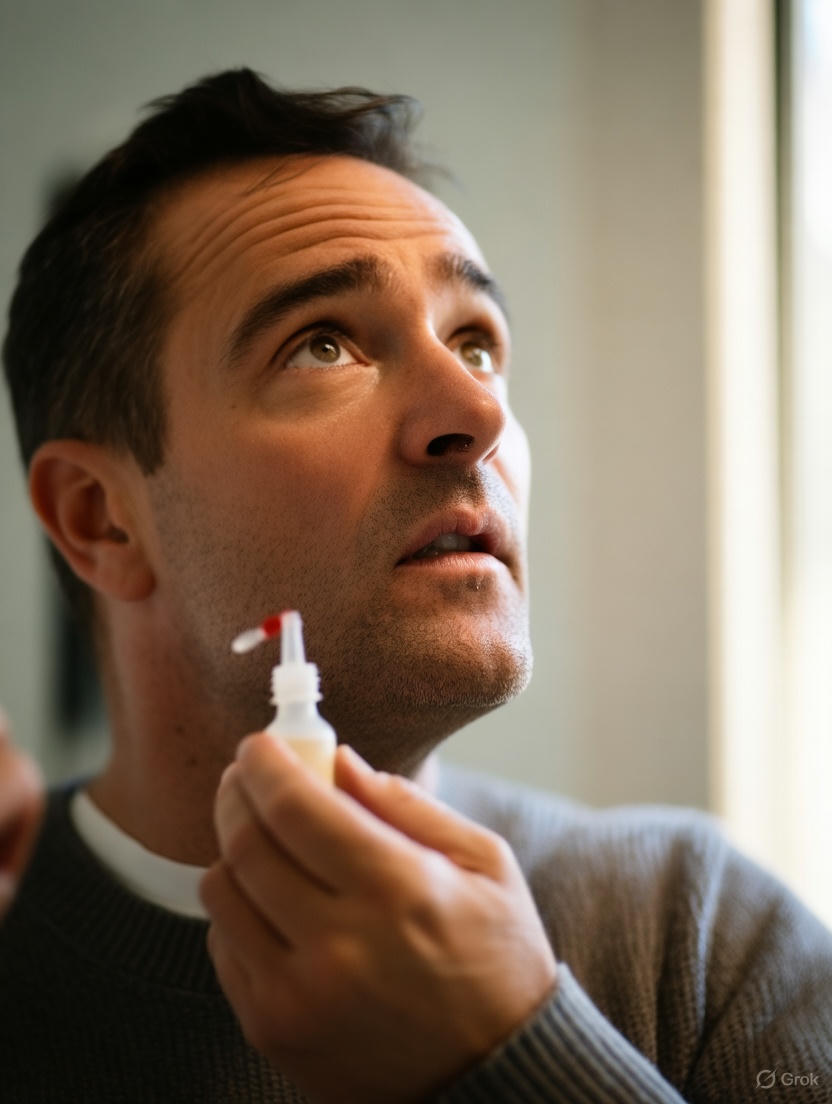
Pilocarpine Eye Drops for Presbyopia:
Pilocarpine Eye Drops for Presbyopia: FDA Approval and What You Need to Know Difficulty with near vision (presbyopia) is a natural process that affects most people over the age of 40. In the United States, the FDA recently approved pilocarpine eye drops as one of the first drug-based treatments for presbyopia. Patients often search online for answers to these questions about the new drops: What are pilocarpine eye drops? How do they work for presbyopia? How long do they last? What are the benefits and side effects? Who is a suitable candidate? What Are Pilocarpine Eye Drops? Pilocarpine has been used in ophthalmology for many years, mainly for the treatment of glaucoma. Recently, it has been reformulated in lower concentrations to be used for presbyopia management. How Do They Work? Pilocarpine slightly constricts the pupil (miosis). This leads to: An increase in depth of focus, Sharper near vision for reading or seeing objects up close. The effect usually lasts between 4 and 8 hours, depending on the individual. Benefits Non-surgical treatment—used as an eye drop, no invasive procedure is required. Particularly helpful during daily activities that require near vision (reading, using a phone, working on a computer). Easy to use and provides quick results. Possible Side Effects As with any medication, pilocarpine eye drops may cause some side effects: Temporary headache or pressure in the forehead area, Reduced night vision, especially in dim lighting, Eye redness, burning, or watering, Rarely, blurred vision. Because of this, caution is advised for those who need to drive at night. How Effective Are They? Clinical studies show that pilocarpine eye drops significantly improve near vision in many patients. However, the effect is temporary and does not completely cure presbyopia. Who Is Suitable for This Treatment? Adults over 40 with presbyopia, Patients without advanced cataracts or other serious eye diseases, People who do not rely heavily on night vision. Your eye doctor will determine whether you are a suitable candidate after a full eye examination. Frequently Asked Questions (FAQ) 1. Do pilocarpine eye drops cure presbyopia permanently? No. The improvement is temporary, lasting a few hours, and provides relief during daily activities. 2. Do I need to use the drops every day? Not necessarily. They can be used as needed—for example, while reading or working on a computer. 3. Is it safe to use at night? Night vision may be reduced, so caution is required, especially for driving. 4. Does everyone experience the same effect? No. Results vary from patient to patient. Some experience strong benefits, while others may have a more limited improvement. 5. Are the side effects permanent? Usually not. Most side effects are mild and temporary. If symptoms persist, consult your doctor. 6. How long does the effect last? On average, between 4 and 8 hours, depending on the individual. 7. Does it affect distance vision? No, distance vision usually remains unaffected. However, because the pupil is smaller, vision in dim or low light may be reduced. 8. Should I use the drops in both eyes? Yes, they are typically applied to both eyes, unless your doctor recommends otherwise. 9. How is it different from pilocarpine used for glaucoma? The concentration for presbyopia is lower than in glaucoma treatment. This helps reduce side effects and makes it more suitable for daily use. Conclusion and Medical Opinion Pilocarpine eye drops represent a new and promising option for patients struggling with presbyopia. Their non-surgical nature, quick action, and ease of use make them attractive. However, because the effect is temporary and side effects are possible, they are not suitable for everyone. This treatment can be beneficial for patients who want short-term relief from reading glasses, but may not be ideal for those who rely heavily on night vision. The best way to determine whether pilocarpine drops are right for you is to have a comprehensive eye examination and discuss your options with your ophthalmologist. Son Güncelleme 27 July 2026 Saat 07:26 am
